

Hey there! I'm a supplier of wholesale CNC metal parts, and I know that choosing the right coating for these parts can be a real head - scratcher. But don't worry, I've got some tips and tricks to help you make the best choice.
First off, let's talk about why coatings are so important for CNC metal parts. Coatings can do a whole bunch of things. They can protect the parts from corrosion, which is super important if the parts are going to be used in a harsh environment. They can also improve the wear resistance of the parts, making them last longer. And in some cases, coatings can even enhance the aesthetic appeal of the parts.
Now, there are a ton of different coatings out there, and each one has its own unique properties. So, how do you pick the right one for your wholesale CNC metal parts? Well, the first thing you need to consider is the environment where the parts will be used.
Consider the Environment
If the parts are going to be used in a wet or humid environment, then corrosion resistance is going to be your top priority. For this kind of situation, a zinc coating is a great option. Zinc is a very reactive metal, and it forms a protective layer on the surface of the metal part when it's exposed to oxygen and moisture. This layer helps to prevent the underlying metal from corroding. Another option is a nickel - based coating. Nickel coatings are also very corrosion - resistant and can provide long - term protection for your parts.
On the other hand, if the parts are going to be used in a high - temperature environment, you'll need a coating that can withstand the heat. Ceramic coatings are a good choice here. They have excellent thermal stability and can protect the metal parts from the damaging effects of high temperatures. Some ceramic coatings can even reduce friction, which is a bonus if your parts are involved in moving components.
If the parts are going to be used in a high - wear environment, like in a machine where there's a lot of friction between moving parts, then wear resistance is key. Titanium nitride (TiN) coatings are very popular in these situations. TiN coatings are extremely hard and can significantly reduce the wear and tear on your parts. They also have a low coefficient of friction, which means they can help to improve the efficiency of your machines.
Think About the Function of the Parts
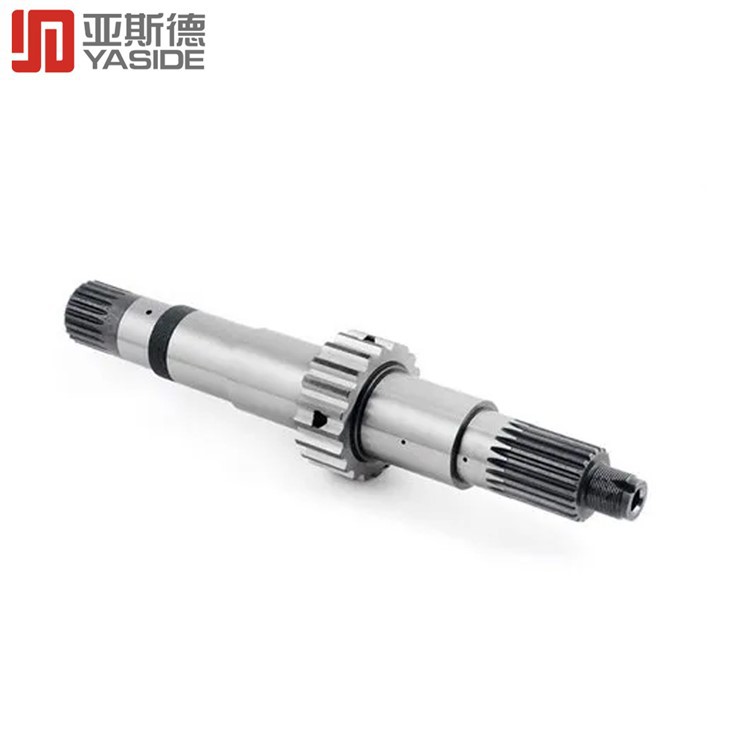
The function of the parts also plays a big role in choosing the right coating. For example, if you're dealing with CNC Spline Shaft Machining Parts, you might want a coating that can improve the surface finish and reduce friction. A polymer coating could be a good option here. Polymer coatings can provide a smooth surface, which is beneficial for the operation of spline shafts. They can also offer some degree of corrosion protection.
If you're supplying High Standard Precision Plastic Injection Mold For Machine, you'll need a coating that can release the plastic easily. A PTFE (polytetrafluoroethylene) coating, also known as Teflon, is often used for this purpose. PTFE has a very low coefficient of friction, which makes it easy for the plastic to be ejected from the mold. It also has good chemical resistance, which is important since the mold may come into contact with various chemicals during the injection molding process.
For CNC Transmission Gear Machining, a coating that can improve the load - carrying capacity and reduce noise is desirable. A diamond - like carbon (DLC) coating can be a great choice. DLC coatings are very hard and have excellent tribological properties. They can help to reduce the friction between the gears, which in turn can improve the efficiency of the transmission and reduce noise levels.
Cost and Application Process
Cost is another factor that you can't ignore. Some coatings are more expensive than others. For example, ceramic coatings and DLC coatings tend to be more costly compared to zinc or polymer coatings. You need to balance the cost of the coating with the benefits it provides. If the parts are going to be used in a high - performance or critical application, then it might be worth investing in a more expensive coating. But if the parts are for a less demanding application, then a more affordable coating might be sufficient.
The application process of the coating is also important. Some coatings require special equipment and expertise to apply. For example, physical vapor deposition (PVD) is a common method for applying TiN and DLC coatings. This process requires a vacuum chamber and specialized machinery. If you don't have the in - house capabilities to apply these coatings, you'll need to find a reliable coating service provider. On the other hand, some coatings, like zinc coatings, can be applied using more straightforward methods, such as electroplating, which is relatively easy and cost - effective.
Compatibility with Other Materials
If your CNC metal parts are going to be used in an assembly with other materials, you need to make sure that the coating is compatible with those materials. For example, if your parts are going to be in contact with rubber seals, you need to choose a coating that won't react with the rubber and cause it to deteriorate. Some coatings may contain chemicals that can be harmful to certain materials, so it's important to do your research and test the compatibility before making a final decision.

Aesthetic Considerations
In some cases, the appearance of the parts matters. If you're supplying parts for consumer products or applications where the appearance is important, then you'll want to choose a coating that looks good. For example, a chrome coating can give your parts a shiny, attractive finish. It's often used for decorative purposes in automotive and consumer electronics applications.
Testing and Quality Control
Before you commit to a particular coating for your wholesale CNC metal parts, it's a good idea to do some testing. You can test the coating's performance in terms of corrosion resistance, wear resistance, and other properties. You can also test the coating's adhesion to the metal surface. If the coating doesn't adhere well, it may peel off over time, which can compromise the performance of the parts.
Quality control is also crucial. Make sure that the coating service provider follows strict quality control procedures. They should be able to provide you with test reports and certificates to prove the quality of the coating.
In conclusion, choosing the right coating for your wholesale CNC metal parts involves considering a variety of factors, including the environment, the function of the parts, cost, application process, compatibility with other materials, and aesthetic requirements. By taking the time to evaluate these factors and doing some testing, you can ensure that you select the best coating for your parts.
If you're in the market for high - quality wholesale CNC metal parts and need advice on the right coating, I'm here to help. Whether you're a small business or a large corporation, I can provide you with the parts and the expertise you need. Let's have a chat and see how we can work together to meet your requirements. Contact me to start the procurement discussion and find the perfect solutions for your projects.
References
- "Handbook of Coating Technology"
- "Surface Engineering for Corrosion and Wear Protection"
- Industry reports on CNC machining and coatings


