As a supplier of CNC Machining Brass Parts, I've witnessed firsthand the profound impact that tool geometry has on the CNC machining process of brass components. In this blog post, I'll delve into the various aspects of tool geometry and how they affect the machining of brass parts, sharing insights based on my experience in the industry.
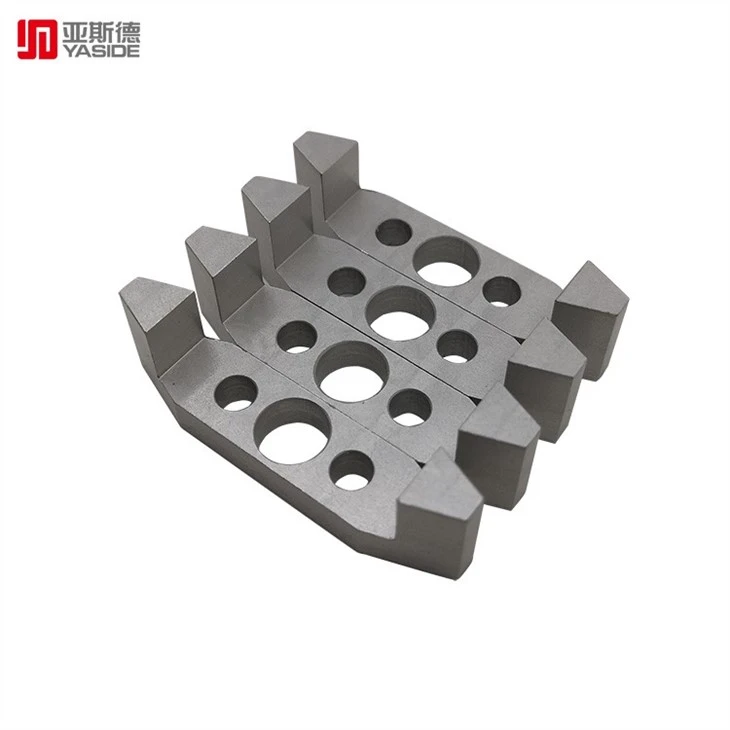

Cutting Edge Geometry
The cutting edge geometry of a tool is one of the most critical factors in CNC machining. For brass parts, the sharpness and angle of the cutting edge play a significant role in determining the quality of the cut. A sharp cutting edge reduces the cutting force required, which in turn minimizes the heat generated during the machining process. This is particularly important for brass, as excessive heat can cause the material to deform or even melt, leading to poor surface finish and dimensional inaccuracies.
The rake angle is another important aspect of cutting edge geometry. A positive rake angle reduces the cutting force and friction, resulting in a smoother cut and better chip formation. However, a too-large positive rake angle can weaken the cutting edge, making it more prone to chipping. On the other hand, a negative rake angle increases the strength of the cutting edge but requires more cutting force. For brass machining, a moderate positive rake angle is often preferred to balance between cutting performance and tool durability.
The clearance angle is also crucial for preventing the tool from rubbing against the workpiece. A sufficient clearance angle ensures that the tool can cut freely without interference, reducing the risk of built-up edge and improving the surface finish of the brass parts.
Tool Nose Radius
The tool nose radius is the rounded tip of the cutting tool. It has a significant impact on the surface finish and dimensional accuracy of the machined brass parts. A larger tool nose radius can produce a smoother surface finish by reducing the scallop height left on the workpiece after each pass. However, a large tool nose radius also increases the cutting force and can cause more deflection, which may lead to dimensional inaccuracies, especially when machining small features or thin-walled parts.
Conversely, a smaller tool nose radius allows for more precise machining of sharp corners and small features. It also reduces the cutting force and deflection, making it suitable for high-precision applications. However, a very small tool nose radius may be more prone to chipping, especially when machining hard or abrasive materials.
When machining brass parts, the choice of tool nose radius depends on the specific requirements of the part. For parts with large flat surfaces and a requirement for a smooth finish, a larger tool nose radius may be appropriate. For parts with sharp corners and small features, a smaller tool nose radius should be used.
Helix Angle
The helix angle of a tool refers to the angle at which the cutting edges are twisted around the tool's axis. In CNC machining of brass parts, the helix angle affects chip evacuation and cutting performance. A higher helix angle promotes better chip evacuation by allowing the chips to flow more easily along the flutes of the tool. This reduces the risk of chip clogging, which can cause tool breakage and poor surface finish.
In addition, a higher helix angle also reduces the cutting force and vibration, resulting in a smoother cut and better surface quality. However, a very high helix angle may weaken the tool and reduce its durability. For brass machining, a helix angle in the range of 30 to 45 degrees is commonly used to balance between chip evacuation and tool strength.
Flute Design
The flute design of a tool is closely related to chip evacuation and cutting performance. In brass machining, the number and shape of the flutes can significantly affect the machining process. A tool with more flutes can provide a higher feed rate and better surface finish, as it distributes the cutting load more evenly. However, more flutes also mean less space for chip evacuation, which can lead to chip clogging if not properly managed.
The shape of the flutes also plays a role in chip evacuation. For example, spiral flutes are more effective at evacuating chips compared to straight flutes, as they create a helical path for the chips to follow. In addition, the flute geometry can also affect the cutting force and vibration. A well-designed flute can reduce the cutting force and vibration, resulting in a more stable machining process and better surface quality.
Impact on Machining Efficiency
The tool geometry not only affects the quality of the machined brass parts but also has a significant impact on machining efficiency. A tool with the right geometry can reduce the cutting force, which in turn allows for higher cutting speeds and feed rates. This can significantly reduce the machining time and increase the productivity of the CNC machining process.
For example, a tool with a sharp cutting edge and a proper rake angle can cut through the brass material more easily, requiring less power and time. Similarly, a tool with a high helix angle and well-designed flutes can evacuate chips more efficiently, allowing for continuous machining without interruptions for chip removal.
Impact on Tool Life
Another important aspect of tool geometry is its impact on tool life. A tool with the right geometry can reduce the wear and tear on the cutting edges, extending the tool's lifespan. For example, a tool with a proper clearance angle can prevent the tool from rubbing against the workpiece, reducing the friction and heat generation. This can slow down the wear of the cutting edges and increase the tool's durability.
In addition, a tool with a suitable tool nose radius can also reduce the stress concentration on the cutting edges, preventing premature chipping and breakage. By choosing the right tool geometry, we can not only improve the quality of the machined brass parts but also reduce the tooling costs by extending the tool life.
Conclusion
In conclusion, tool geometry plays a crucial role in the CNC machining of brass parts. The cutting edge geometry, tool nose radius, helix angle, and flute design all have a significant impact on the quality of the machined parts, machining efficiency, and tool life. As a supplier of CNC Machining Brass Parts, we understand the importance of choosing the right tool geometry for each specific application.
If you are looking for high-quality CNC machined brass parts, we are here to help. Our team of experienced engineers and technicians can work with you to select the most suitable tool geometry and machining parameters to ensure the best results for your project. Whether you need CNC Processing 6061 Aluminum Parts, CNC Machining Metal Gears, or Auto Parts CNC Machining Hydraulic Valve, we have the expertise and capabilities to meet your requirements.
Contact us today to discuss your project and get a free quote. We look forward to working with you to achieve your manufacturing goals.
References
- Trent, E. M., & Wright, P. K. (2000). Metal cutting. Butterworth-Heinemann.
- Kalpakjian, S., & Schmid, S. R. (2009). Manufacturing engineering and technology. Pearson Prentice Hall.
- Boothroyd, G., Dewhurst, P., & Knight, W. A. (2011). Product design for manufacture and assembly. CRC Press.