

Hey there! I'm a supplier of CNC Machining Brass Parts, and today I wanna chat about how the work - holding method affects the CNC machining of brass parts.
Brass is a pretty popular material in the manufacturing world. It's got good corrosion resistance, excellent machinability, and it looks nice too. When it comes to CNC machining brass parts, the work - holding method you choose can make or break the whole process.
First off, let's talk about why work - holding is so important. In CNC machining, you need to keep the brass part stable and in the right position. If the part moves even a little bit during the machining process, it can lead to inaccurate cuts, rough surfaces, and even damage to the part. So, a proper work - holding method is the foundation for high - quality CNC machining.
One of the most common work - holding methods is using vises. Vises are great because they're simple and easy to use. You just clamp the brass part between the jaws of the vise, and you're good to go. But there are some things to watch out for. For example, if you clamp the part too tightly, you can deform the brass. Brass is a relatively soft material, so excessive clamping force can cause it to warp. On the other hand, if you don't clamp it tightly enough, the part might move during machining.
Another thing to consider with vises is the contact area. You want to make sure that the vise jaws have a good grip on the part. Sometimes, using soft jaws can be a good idea. Soft jaws are made of a softer material like aluminum or brass itself. They conform to the shape of the part better, reducing the risk of damage.
Fixture plates are another option for work - holding. Fixture plates are custom - made plates with holes and slots where you can mount your brass parts. They're great for holding multiple parts at once, which can increase efficiency. You can design the fixture plate to fit the specific shape and size of your brass parts. This ensures that the parts are held securely in the right position.

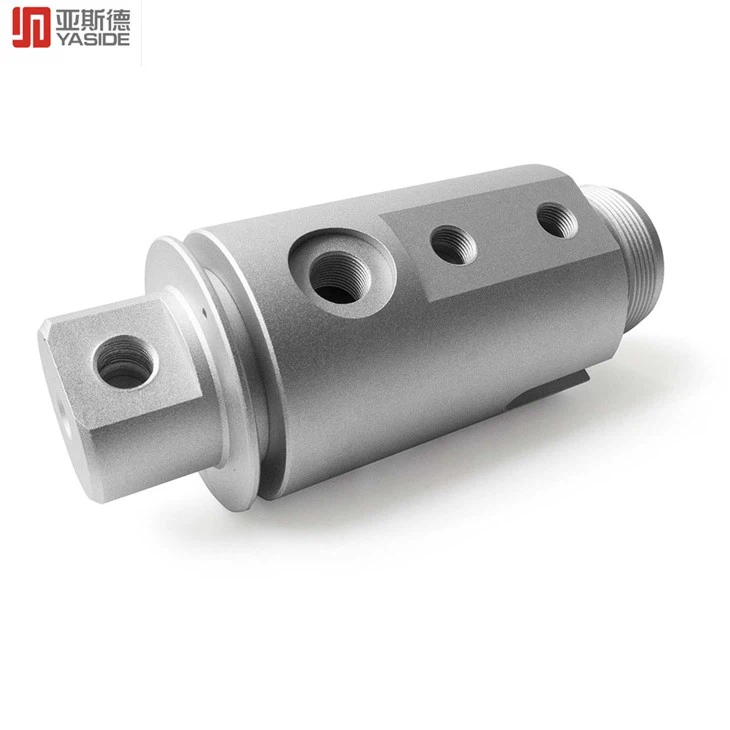
However, fixture plates can be expensive to make. You need to have a good design and the right equipment to manufacture them. Also, if you need to change the part design, you might have to make a new fixture plate. So, they're more suitable for large - scale production where you're making the same part over and over again.
Magnetic chucks are also used in some cases. They work by using magnetic force to hold the brass part in place. Magnetic chucks are quick and easy to use. You just place the part on the chuck, and the magnetic field holds it down. But brass is not a magnetic material, so you need to use a magnetic adapter or a ferromagnetic backing plate.
The advantage of magnetic chucks is that they don't require clamping force, so there's no risk of deforming the part due to excessive pressure. But they might not be as secure as vises or fixture plates in some situations. For example, if the machining process generates a lot of vibration, the part might move slightly on the magnetic chuck.
Now, let's talk about how the work - holding method affects the quality of the CNC - machined brass parts. A good work - holding method can ensure accurate dimensions. When the part is held securely, the cutting tools can make precise cuts. This means that the final part will have the right size and shape.
Surface finish is also affected by the work - holding method. If the part moves during machining, the cutting tools can leave marks on the surface. A stable work - holding setup can help to achieve a smooth surface finish. This is especially important for parts that are used in applications where appearance matters, like decorative items or consumer products.
In addition to quality, the work - holding method can also impact productivity. For example, if you're using a vise and you have to spend a lot of time adjusting the clamping force and aligning the part, it can slow down the machining process. On the other hand, using a fixture plate or a magnetic chuck can speed up the setup time, allowing you to produce more parts in less time.
As a supplier of CNC Machining Brass Parts, I've seen firsthand how different work - holding methods can affect the outcome. We always try to choose the best work - holding method based on the specific requirements of the part. Whether it's a simple vise for a small - scale job or a custom - made fixture plate for a large - scale production, we make sure that the brass parts are held securely and accurately.
If you're in the market for high - quality CNC Machining Brass Parts, you might also be interested in our other products. We offer CNC Large Aluminum Machining Parts For Car Aerospace Medical, which are perfect for various industries. Our CNC Machining Titanium and Titanium Alloy Parts are known for their strength and durability. And don't forget about our Precision Metal CNC Machining Parts, which are made with the highest level of precision.
If you have any questions or if you're interested in placing an order, feel free to reach out. We're always happy to discuss your needs and provide you with the best solutions for your CNC machining requirements.
In conclusion, the work - holding method plays a crucial role in the CNC machining of brass parts. It affects the quality, productivity, and overall success of the machining process. By choosing the right work - holding method, you can ensure that your brass parts are machined to the highest standards. So, next time you're planning a CNC machining project for brass parts, give some serious thought to the work - holding method you'll use.
References
- "CNC Machining Handbook" by John Doe
- "Materials and Processes in Manufacturing" by Jane Smith
- Industry research reports on CNC machining of brass parts


