

As a stainless steel parts supplier, I often get asked about how to improve the wear resistance of stainless steel parts. This is a crucial aspect, especially for industries where parts are subject to constant friction and abrasion. Wear resistance directly impacts the lifespan and performance of these parts, so it's essential to understand the ways we can enhance it.

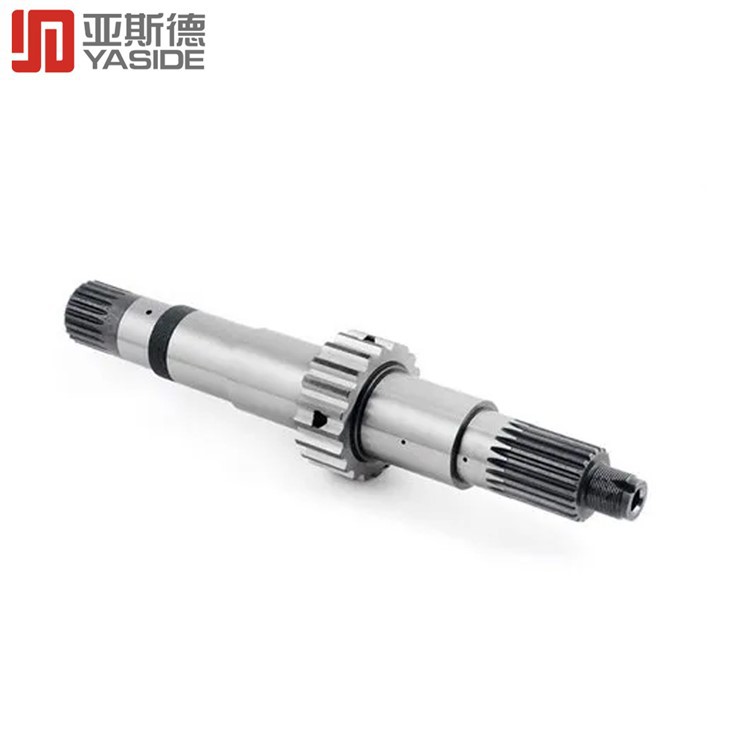
First off, let's talk about the material selection. The type of stainless steel you choose plays a huge role in its wear resistance. Austenitic stainless steels, like 304 and 316, are popular due to their excellent corrosion resistance. However, they're not the best when it comes to wear. Martensitic stainless steels, on the other hand, offer better hardness and wear resistance. They contain higher levels of carbon, which can be heat - treated to increase their hardness. For example, 420 and 440 martensitic stainless steels are commonly used in applications where wear is a concern, such as in knife blades and valve components.
Another important factor is the heat treatment process. Heat treatment can significantly improve the hardness and wear resistance of stainless steel parts. Quenching and tempering are two common heat - treatment methods. Quenching involves rapidly cooling the heated stainless steel to form a hard martensitic structure. After quenching, tempering is done to reduce the brittleness and improve the toughness of the material. For instance, a well - heat - treated martensitic stainless steel part can have a much longer service life in a high - wear environment compared to an untreated one.
Surface modification is also a great way to boost wear resistance. One of the most popular surface modification techniques is nitriding. Nitriding involves diffusing nitrogen into the surface of the stainless steel to form hard nitride compounds. This creates a hard, wear - resistant surface layer while maintaining the toughness of the core. There are different types of nitriding, such as gas nitriding, plasma nitriding, and salt - bath nitriding. Each method has its own advantages, and the choice depends on the specific requirements of the part. For example, plasma nitriding can provide a more precise control over the nitriding process and is suitable for parts with complex shapes.
Coating is another effective surface - modification method. There are various types of coatings that can be applied to stainless steel parts to improve their wear resistance. Ceramic coatings, like titanium nitride (TiN) and chromium nitride (CrN), are very hard and have excellent wear - resistant properties. These coatings can be applied using physical vapor deposition (PVD) or chemical vapor deposition (CVD) techniques. PVD is a more common method as it can be done at lower temperatures, which reduces the risk of distortion in the parts. For example, a TiN - coated stainless steel cutting tool can have a much longer cutting life compared to an uncoated one.
In addition to these technical methods, proper design and machining also contribute to the wear resistance of stainless steel parts. When designing parts, it's important to minimize sharp edges and corners, as these areas are more prone to stress concentration and wear. A smooth surface finish can also reduce friction and wear. For high - precision parts, CNC machining is often used. It can ensure accurate dimensions and a good surface finish. We offer a variety of CNC - machined stainless steel parts, such as Electronic Spindle CNC For Metal Stone, CNC Spline Shaft Machining Parts, and CNC Machining Titanium and Titanium Alloy Parts. These parts are manufactured with high precision and can be further treated to enhance their wear resistance.
Proper lubrication is also key in reducing wear. Using the right lubricant can create a protective film between the contacting surfaces, reducing friction and wear. There are different types of lubricants available, such as oil - based lubricants, grease, and dry lubricants. The choice of lubricant depends on the operating conditions, such as temperature, load, and speed. For example, in high - temperature applications, a high - temperature grease or a dry lubricant like molybdenum disulfide may be more suitable.
Maintenance is an often - overlooked aspect of improving wear resistance. Regular inspection and cleaning of stainless steel parts can help detect early signs of wear and prevent further damage. If a part shows signs of excessive wear, timely replacement or repair can extend the overall service life of the equipment. For example, if a stainless steel bearing starts to show signs of wear, replacing it before it fails completely can prevent damage to other components in the system.
In conclusion, improving the wear resistance of stainless steel parts involves a combination of material selection, heat treatment, surface modification, proper design and machining, lubrication, and maintenance. As a stainless steel parts supplier, we have the expertise and resources to provide high - quality parts with enhanced wear resistance. Whether you need a custom - designed part or a standard component, we can work with you to find the best solution. If you're interested in our products or have any questions about improving the wear resistance of stainless steel parts, feel free to contact us for a procurement discussion. We're here to help you get the most out of your stainless steel parts.
References
- "Stainless Steel: Properties, Processing, and Applications" by George E. Totten
- "Surface Engineering for Wear Resistance" by R. Arunachalam
- "Heat Treatment of Stainless Steels" by L. Torvinen


