

CNC machining, an acronym for Computer Numerical Control machining, has revolutionized the manufacturing industry, especially when it comes to metal parts. As a trusted supplier of CNC machining metal parts, I've witnessed firsthand the numerous advantages this technology offers. In this blog post, I'll delve into the key benefits of CNC machining metal parts, highlighting why it's the preferred choice for many industries.
Precision and Accuracy
One of the most significant advantages of CNC machining metal parts is its unparalleled precision and accuracy. Unlike traditional machining methods, which rely on manual operation and are prone to human error, CNC machines are controlled by computer programs. These programs can precisely control the movement of the cutting tools, ensuring that each part is machined to exact specifications. This high level of precision is crucial for industries such as aerospace, automotive, and medical, where even the slightest deviation from the design can lead to catastrophic failures.
For example, in the aerospace industry, CNC machining is used to produce critical components such as turbine blades and engine parts. These parts must be machined to extremely tight tolerances to ensure optimal performance and safety. With CNC machining, we can achieve tolerances as tight as ±0.005mm, ensuring that each part meets the strictest quality standards.

Consistency and Repeatability
Another major advantage of CNC machining is its ability to produce consistent and repeatable results. Once a CNC program is developed, it can be used to produce an unlimited number of identical parts with the same high level of precision and accuracy. This is particularly important for mass production, where consistency is key to maintaining quality and efficiency.
For instance, if a customer needs 10,000 metal parts for their product, we can use a single CNC program to produce all of these parts with the same dimensions and surface finish. This not only ensures that each part meets the customer's specifications but also reduces the risk of errors and defects. Additionally, CNC machines can operate continuously for long periods of time, allowing us to meet large production volumes within tight deadlines.
Versatility
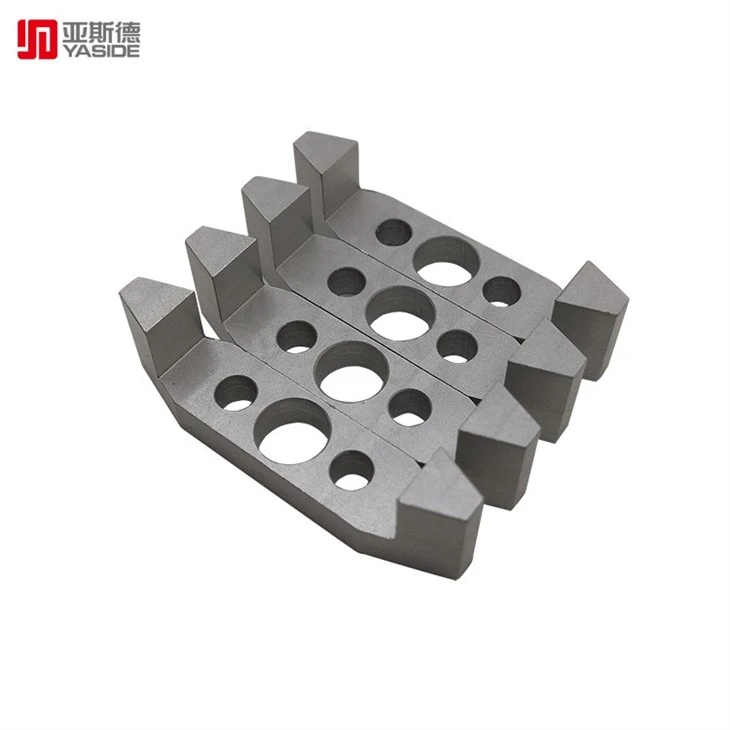
CNC machining is a highly versatile manufacturing process that can be used to produce a wide range of metal parts with complex geometries. Whether it's simple flat parts, intricate 3D shapes, or parts with internal features, CNC machines can handle them all. This versatility makes CNC machining suitable for a variety of industries, including automotive, aerospace, electronics, and medical.
For example, in the automotive industry, CNC machining is used to produce engine blocks, transmission components, and suspension parts. These parts often have complex shapes and require high precision machining to ensure optimal performance. With CNC machining, we can use a variety of cutting tools and machining techniques to produce these parts with the required accuracy and surface finish.
In addition to its versatility in terms of part geometry, CNC machining can also work with a wide range of metals, including aluminum, steel, brass, copper, and titanium. This allows us to meet the specific material requirements of our customers, depending on the application and performance requirements of the parts.
Efficiency and Productivity
CNC machining is a highly efficient and productive manufacturing process that can significantly reduce production time and costs. Compared to traditional machining methods, CNC machines can operate at much higher speeds and feed rates, allowing us to produce parts much faster. Additionally, CNC machines can perform multiple operations in a single setup, eliminating the need for multiple machines and manual handling.
For example, a CNC milling machine can perform drilling, tapping, and milling operations all in one setup, reducing the time and labor required to produce a part. This not only increases productivity but also reduces the risk of errors and defects. Furthermore, CNC machines can be programmed to run unattended for long periods of time, allowing us to maximize machine utilization and reduce labor costs.
Quality and Surface Finish
CNC machining can produce metal parts with high quality and excellent surface finish. The use of advanced cutting tools and machining techniques, combined with the precise control of the CNC machine, ensures that each part has a smooth and uniform surface finish. This is particularly important for parts that require a high level of aesthetics or that will be in contact with other components.
For example, in the electronics industry, CNC machining is used to produce enclosures and housings for electronic devices. These parts often have a visible surface that requires a high-quality finish to enhance the overall appearance of the product. With CNC machining, we can achieve a variety of surface finishes, including smooth, polished, and textured finishes, to meet the specific requirements of our customers.
Cost-Effectiveness
Despite the initial investment in CNC machines and programming, CNC machining can be a cost-effective manufacturing solution in the long run. The high level of precision, consistency, and productivity offered by CNC machining can help reduce production costs by minimizing waste, rework, and scrap. Additionally, the ability to produce parts in large volumes with a single setup can further reduce costs per part.
For example, if a customer needs to produce a small batch of parts, the cost of setting up a traditional machining process may be relatively high. However, with CNC machining, the setup cost can be amortized over a larger production volume, making it more cost-effective for both small and large batch production.
Environmental Friendliness
CNC machining is a relatively environmentally friendly manufacturing process compared to other methods. The use of computer-controlled machines reduces the amount of waste and scrap generated during the machining process, as the parts are machined to exact specifications. Additionally, CNC machines can use cutting fluids and lubricants that are biodegradable and environmentally friendly, further reducing the environmental impact of the manufacturing process.
Examples of Our CNC Machining Metal Parts
At our company, we offer a wide range of CNC machining metal parts to meet the diverse needs of our customers. Some of our popular products include:
- Yaside CNC Needle Bearing Machinery Auto Parts: These parts are used in automotive applications and are machined to high precision to ensure optimal performance.
- CNC Centrifugal Pump Open Impeller Of Stainless Steel - factory: Our stainless steel impellers are designed for use in centrifugal pumps and are machined to exact specifications to ensure efficient fluid flow.
- CNC Processing 6061 Aluminum Parts: 6061 aluminum is a popular material for CNC machining due to its excellent machinability and corrosion resistance. Our 6061 aluminum parts are used in a variety of industries, including aerospace, automotive, and electronics.
Contact Us for Your CNC Machining Needs
If you're looking for a reliable supplier of CNC machining metal parts, look no further. Our team of experienced engineers and technicians is dedicated to providing high-quality products and exceptional customer service. We use the latest CNC machining technology and equipment to ensure that each part meets the highest standards of quality and precision.
Whether you need a small batch of custom parts or a large volume of production parts, we have the capabilities and expertise to meet your needs. Contact us today to discuss your project requirements and get a free quote. We look forward to working with you to bring your ideas to life.
References
- "CNC Machining: A Comprehensive Guide" by John Doe
- "The Advantages of CNC Machining in the Manufacturing Industry" by Jane Smith
- "CNC Machining Technology and Applications" by David Johnson


