

As a supplier of CNC machining metal parts, I've had the privilege of witnessing firsthand the intricate relationship between CNC machines and energy consumption. In this blog, I'll delve into the energy consumption characteristics of CNC machines for metal parts, exploring the factors that influence it and the implications for both manufacturers and the environment.
Understanding the Basics of CNC Machines
CNC (Computer Numerical Control) machines are automated manufacturing tools that use pre-programmed computer software to control the movement of machine tools. These machines are widely used in the metalworking industry to produce a variety of parts with high precision and efficiency. CNC machines can perform a range of operations, including milling, turning, drilling, and grinding, and are capable of working with different types of metals, such as steel, aluminum, brass, and titanium.
Energy Consumption Components
The energy consumption of CNC machines can be divided into several components, each with its own characteristics and influencing factors.
1. Machine Startup and Idle Energy
When a CNC machine is turned on, it consumes a certain amount of energy to initialize its systems, including the control unit, motors, and sensors. This startup energy is typically a one-time cost and is relatively small compared to the energy consumed during actual machining operations. However, if the machine is frequently turned on and off, the cumulative startup energy can become significant.
During idle periods, when the machine is not actively machining a part but is still powered on, it continues to consume energy to maintain its standby state. This idle energy consumption can vary depending on the machine's design and settings. Some modern CNC machines are equipped with energy-saving features that automatically reduce power consumption during idle periods, such as putting motors into a low-power mode or shutting down non-essential components.
2. Cutting Energy
The cutting energy is the most significant component of the energy consumption in CNC machining. It is directly related to the material removal rate (MRR), which is the volume of material removed per unit time. The MRR depends on several factors, including the cutting speed, feed rate, and depth of cut. Higher cutting speeds, feed rates, and depths of cut generally result in a higher MRR and, consequently, higher cutting energy consumption.
The type of cutting tool used also plays a crucial role in determining the cutting energy. Different cutting tools have different cutting geometries and materials, which affect their cutting efficiency. For example, a sharp cutting tool with a proper rake angle can reduce the cutting force and, therefore, the energy required for cutting. On the other hand, a dull or worn-out cutting tool may require more energy to achieve the same material removal rate.

3. Auxiliary Equipment Energy
In addition to the main machining operations, CNC machines often require the use of auxiliary equipment, such as coolant systems, chip conveyors, and lubrication systems. These auxiliary systems consume energy to operate and can contribute significantly to the overall energy consumption of the machine.
Coolant systems are used to cool the cutting tool and the workpiece during machining to prevent overheating and improve the surface finish. The energy consumption of a coolant system depends on its type (e.g., flood coolant or minimum quantity lubrication), flow rate, and pump power. Chip conveyors are used to remove the chips generated during machining from the work area. The energy consumption of a chip conveyor depends on its length, speed, and the type of material being conveyed. Lubrication systems are used to reduce friction between the cutting tool and the workpiece, which can also affect the energy consumption.
Factors Influencing Energy Consumption
Several factors can influence the energy consumption of CNC machines for metal parts. Understanding these factors is essential for optimizing energy efficiency and reducing operating costs.
1. Material Properties
The properties of the metal being machined, such as hardness, strength, and thermal conductivity, can have a significant impact on energy consumption. Harder and stronger materials generally require more energy to cut compared to softer materials. For example, machining titanium, which is a high-strength and low-thermal-conductivity material, typically consumes more energy than machining aluminum, which is a relatively soft and highly conductive material.
The material's microstructure can also affect energy consumption. Materials with a fine-grained microstructure may require more energy to cut than those with a coarse-grained microstructure due to the increased resistance to deformation.
2. Machining Parameters
As mentioned earlier, the cutting speed, feed rate, and depth of cut are the primary machining parameters that affect the energy consumption. Optimizing these parameters can lead to significant energy savings. For example, increasing the cutting speed while reducing the feed rate and depth of cut can sometimes result in a higher material removal rate with lower energy consumption. However, it's important to note that there are limits to how much these parameters can be adjusted, as they also affect the surface finish, tool life, and dimensional accuracy of the machined part.
3. Machine Design and Technology
The design and technology of the CNC machine itself can have a major impact on energy consumption. Modern CNC machines are often designed with energy efficiency in mind, incorporating features such as high-efficiency motors, advanced control systems, and energy-saving modes. For example, some machines use servo motors that can adjust their power consumption based on the actual load, while others have intelligent control systems that optimize the machining process in real-time to reduce energy consumption.
The type of machine tool, such as a milling machine or a turning machine, can also affect energy consumption. Different machine tools have different power requirements and energy consumption patterns. For example, a milling machine may consume more energy during high-speed cutting operations, while a turning machine may consume more energy during heavy-duty cutting operations.
Implications for Manufacturers
Understanding the energy consumption characteristics of CNC machines is crucial for manufacturers in several ways.
1. Cost Savings
Reducing energy consumption can lead to significant cost savings for manufacturers. Energy costs can account for a substantial portion of the total manufacturing cost, especially in high-volume production environments. By optimizing machining parameters, using energy-efficient cutting tools and auxiliary equipment, and implementing energy-saving measures, manufacturers can reduce their energy bills and improve their bottom line.
2. Environmental Sustainability
In addition to cost savings, reducing energy consumption in CNC machining also has environmental benefits. The manufacturing industry is a major consumer of energy and a significant contributor to greenhouse gas emissions. By adopting energy-efficient practices, manufacturers can reduce their carbon footprint and contribute to a more sustainable future.
3. Competitiveness
In today's global market, energy efficiency is becoming an increasingly important factor in determining a manufacturer's competitiveness. Customers are becoming more environmentally conscious and are often willing to pay a premium for products that are produced using sustainable manufacturing processes. By demonstrating a commitment to energy efficiency, manufacturers can differentiate themselves from their competitors and attract more customers.
Our Offerings and Energy Efficiency
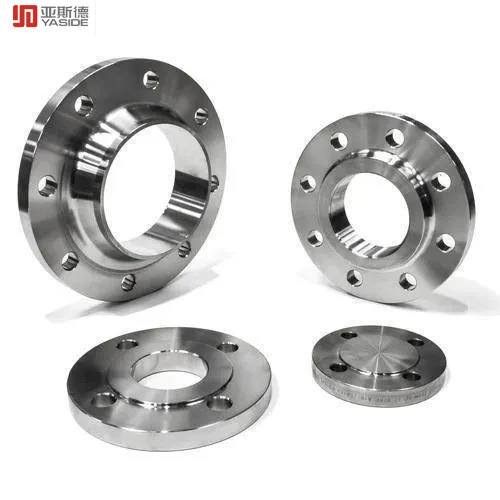
At our company, we are committed to providing high-quality CNC machining services while minimizing energy consumption. We offer a wide range of CNC machining services for various metal parts, including Large Parts Processing For Machines Aircraft, Customized CNC Machining Stainless Steel Flange, and CNC Machined Brass Parts.
We use state-of-the-art CNC machines that are designed with energy efficiency in mind. Our machines are equipped with advanced control systems that optimize the machining process to reduce energy consumption without compromising on quality or productivity. We also regularly maintain and upgrade our machines to ensure that they are operating at their peak efficiency.
In addition to using energy-efficient machines, we also optimize our machining processes to reduce energy consumption. Our experienced engineers carefully select the appropriate cutting tools, machining parameters, and auxiliary equipment for each job to minimize energy usage. We also implement energy-saving measures, such as turning off machines when not in use and using energy-efficient lighting and ventilation systems in our facilities.
Contact Us for Procurement and洽谈
If you are interested in our CNC machining services or have any questions about our energy-efficient manufacturing processes, please feel free to contact us. We would be happy to discuss your specific requirements and provide you with a customized solution that meets your needs.
References
- Dornfeld, D. A., Min, S., & Takeuchi, Y. (2014). Towards energy and resource efficient manufacturing: A processes and systems approach. CIRP Annals - Manufacturing Technology, 63(2), 587-609.
- Gutowski, T., Dahmus, J., & Thiriez, A. (2006). Energy consumption in manufacturing processes. Environmental Science & Technology, 40(17), 5245-5251.
- Kara, S., & Li, Y. (2011). Modeling and analysis of energy consumption for environmental assessment of machining processes. Journal of Cleaner Production, 19(16), 1849-1856.


