

Hey there! As a supplier of CNC Machining Steel Parts, I've seen firsthand how the material properties of steel can have a huge impact on the CNC machining process. In this blog post, I'm gonna break down the key material properties of steel that affect CNC machining and explain why they matter.
Hardness
Hardness is one of the most important material properties of steel when it comes to CNC machining. It refers to the steel's ability to resist deformation, indentation, or scratching. The hardness of steel is typically measured using the Rockwell or Brinell hardness scales.
When machining steel, harder materials are generally more difficult to cut. This is because the cutting tool has to work harder to penetrate the material, which can lead to increased tool wear and reduced cutting speeds. On the other hand, softer steels are easier to machine but may not have the same strength and durability as harder steels.
For example, if you're machining a part that requires high precision and a smooth surface finish, you might choose a softer steel that's easier to cut. However, if the part needs to withstand high stress or wear, a harder steel would be a better choice.

Tensile Strength
Tensile strength is another crucial property of steel. It measures the maximum amount of tensile (pulling) stress that a material can withstand before breaking. In CNC machining, tensile strength affects how the steel behaves under cutting forces.
Steels with high tensile strength are generally stronger and more durable, but they can also be more difficult to machine. When cutting high-tensile steel, the cutting tool has to overcome a greater amount of resistance, which can cause the tool to wear out faster. Additionally, high-tensile steels may be more prone to cracking or chipping during machining.
Conversely, steels with lower tensile strength are easier to machine but may not be suitable for applications that require high strength. As a CNC machining steel parts supplier, I often work with customers to select the right steel based on their specific requirements for tensile strength.
Ductility
Ductility is the ability of a material to deform under tensile stress without breaking. In other words, it's a measure of how much a material can be stretched or bent before it fails. Ductility is an important property in CNC machining because it affects how the steel responds to cutting forces and how it can be shaped into the desired part.
Steels with high ductility are more malleable and can be easily formed into complex shapes without cracking or breaking. This makes them ideal for applications where the part needs to be bent, stretched, or otherwise deformed during the manufacturing process. For example, if you're machining a part that requires deep drawing or bending operations, a ductile steel would be a good choice.
On the other hand, steels with low ductility are more brittle and may crack or break when subjected to excessive deformation. When machining low-ductility steels, it's important to use the right cutting parameters and tools to minimize the risk of damage to the part.
Thermal Conductivity
Thermal conductivity is the ability of a material to conduct heat. In CNC machining, thermal conductivity plays a significant role in how the steel responds to the heat generated during the cutting process.
Steels with high thermal conductivity can dissipate heat more quickly, which helps to prevent the cutting tool from overheating and wearing out prematurely. This is especially important when machining at high speeds or with heavy cutting loads. High thermal conductivity also reduces the risk of thermal damage to the part, such as warping or cracking.
In contrast, steels with low thermal conductivity tend to retain heat, which can cause the cutting tool to overheat and wear out faster. This can lead to poor surface finishes and reduced tool life. As a supplier of CNC machining steel parts, I always consider the thermal conductivity of the steel when recommending materials to my customers.
Machinability
Machinability is a measure of how easily a material can be machined using conventional machining processes such as turning, milling, drilling, and grinding. It takes into account a variety of factors, including hardness, tensile strength, ductility, and thermal conductivity.
Steels with good machinability are generally easier to cut, require less power, and produce better surface finishes. They also tend to have lower tool wear rates, which can save time and money in the long run. There are several factors that can affect the machinability of steel, including the chemical composition, heat treatment, and microstructure.
For example, steels that contain sulfur or lead are often more machinable because these elements act as lubricants and help to reduce friction between the cutting tool and the material. Heat treatment can also improve the machinability of steel by altering its hardness and microstructure.
Impact on CNC Machining Processes
Now that we've covered the key material properties of steel, let's take a look at how they impact the different CNC machining processes.
Turning
In turning operations, the cutting tool rotates against the workpiece to remove material and create a cylindrical shape. Hardness and tensile strength are particularly important in turning because they affect how the cutting tool interacts with the steel. Harder steels require more cutting force and may cause the tool to wear out faster, while softer steels are easier to cut but may not hold their shape as well.
Ductility also plays a role in turning, especially when it comes to forming chips. Ductile steels tend to produce long, continuous chips, which can be difficult to manage and may cause problems with chip evacuation. On the other hand, less ductile steels may produce shorter, more manageable chips.
Milling
Milling involves using a rotating cutting tool to remove material from the workpiece. The material properties of steel can have a significant impact on the milling process. Hardness and tensile strength affect the cutting forces and tool wear, while ductility can influence the surface finish and chip formation.
Thermal conductivity is also important in milling, especially when using high-speed machining techniques. Steels with high thermal conductivity can dissipate heat more effectively, which helps to prevent the cutting tool from overheating and improving the overall machining performance.
Drilling
Drilling is the process of creating holes in the workpiece using a drill bit. Hardness and tensile strength are critical in drilling because they determine how easily the drill bit can penetrate the steel. Harder steels require more force to drill and may cause the drill bit to wear out faster.
Ductility can also affect the drilling process. Ductile steels may cause the drill bit to grab or chatter, which can lead to poor hole quality and reduced tool life. Additionally, thermal conductivity plays a role in preventing the drill bit from overheating and ensuring accurate hole dimensions.
Choosing the Right Steel for CNC Machining
As a supplier of CNC Machining Steel Parts, I often get asked how to choose the right steel for a specific application. The answer depends on a variety of factors, including the part's function, the required precision and surface finish, and the machining process.
Here are some general guidelines to help you choose the right steel:
- Understand the application: Consider the specific requirements of the part, such as the load it will bear, the environment it will be used in, and the expected lifespan.
- Evaluate the machining process: Different machining processes have different requirements for material properties. For example, turning may require a different steel than milling or drilling.
- Consider the cost: The cost of the steel is an important factor, especially for large production runs. Balance the cost with the required properties to find the most cost-effective solution.
- Consult with a professional: As a supplier with years of experience in CNC machining steel parts, I can provide valuable insights and recommendations based on your specific needs.
Related Products
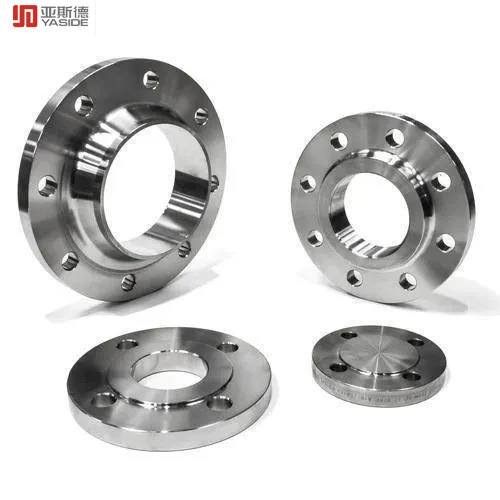
If you're interested in other CNC machining parts, we also offer Aluminium CNC Manufacturing Racing Car Parts and OEM Custom Industrial 5 Axis CNC Pump Impeller. We also specialize in Customized CNC Machining Stainless Steel Flange. These products are designed to meet the highest standards of quality and precision.
Contact Us for Procurement
If you're looking for high-quality CNC machining steel parts, I'd love to hear from you. Whether you have a specific design in mind or need help selecting the right material, I'm here to assist you. Feel free to reach out to discuss your requirements and start the procurement process.
References
- ASM Handbook Committee. (2008). ASM Handbook, Volume 1: Properties and Selection: Irons, Steels, and High-Performance Alloys. ASM International.
- Kalpakjian, S., & Schmid, S. R. (2014). Manufacturing Engineering and Technology. Pearson.
- Tooling U-SME. (n.d.). Machining Fundamentals. Tooling U-SME.


