

Can CNC Machining Be Used for Small-Batch Production of Metal Parts?
Hey there! I'm a supplier of CNC machining metal parts, and today, I wanna chat about whether CNC machining is a good fit for small-batch production of metal parts. In the world of manufacturing, small-batch production has its own unique challenges and requirements, and it's crucial to figure out the most suitable method for the job.
First off, let's talk a bit about what CNC machining actually is. CNC, or Computer Numerical Control, machining is a process where pre-programmed computer software dictates the movement of factory tools and machinery. It can be used to control a wide range of complex machinery, from grinders and lathes to mills and routers. With CNC machining, manufacturers can produce highly precise and accurate metal parts, ensuring consistent quality across the batch.
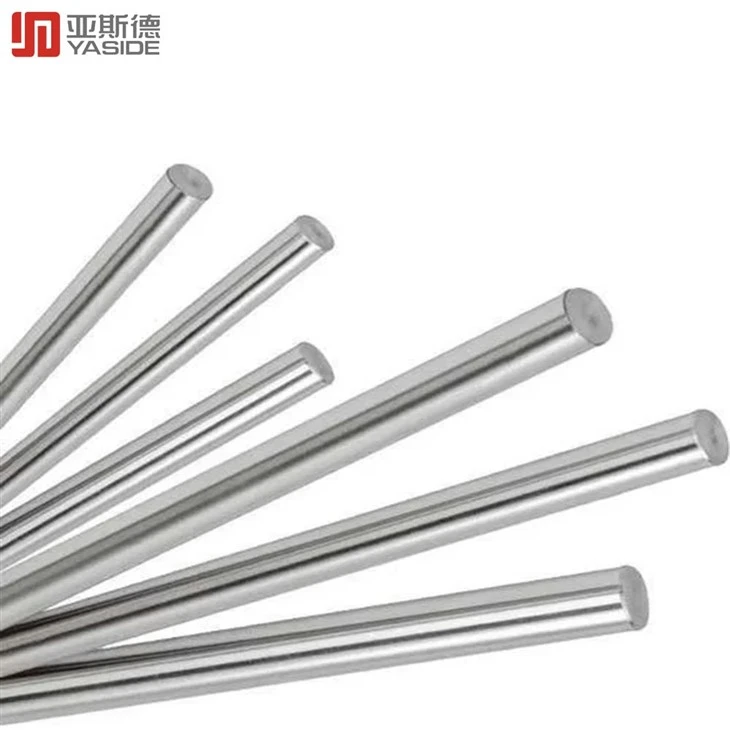
Now, let's get into the nitty-gritty of using CNC machining for small-batch production. One of the major advantages of CNC machining for small batches is its flexibility. CNC machines can be quickly re-programmed to produce different parts. This means that if you need to switch between different metal part designs, it's quite easy to make the necessary adjustments. For example, if you're producing CNC Linear Motion Shaft Machining Parts for one order and then need to move on to CNC Tie Rod Machining for the next, you can simply change the program on the CNC machine, and it can start production with minimal downtime.
Another big plus is the high level of precision that CNC machining offers. When you're making small batches of metal parts, precision is often key. Whether it's a component for a high - tech device or a custom part for a specialized machine, the accuracy of the part can affect its functionality. CNC machines can achieve very tight tolerances, sometimes within a few thousandths of an inch. This is far better than what can be achieved with traditional manual machining methods, which makes CNC machining a top choice for applications where precision is non - negotiable.
Moreover, CNC machining provides excellent repeatability. Once a program is set up for a specific part, the CNC machine will produce identical parts over and over again. This is extremely important for small - batch production, as it ensures that each part in the batch meets the same quality standards. You don't have to worry about variations in size, shape, or other characteristics that can occur with manual machining.
Cost is always a major consideration in small - batch production. At first glance, CNC machining might seem expensive, especially when compared to some other manufacturing methods. However, when you look at the big picture, it can actually be cost - effective for small batches. Traditional manufacturing methods often require expensive tooling and setup costs, which can eat into your budget when producing small quantities. With CNC machining, the need for specialized tooling is significantly reduced. The main cost is usually the programming of the machine, which can be reused for future batches. So, if you plan to produce more small batches of the same or similar parts in the future, the initial programming cost can be spread out over multiple runs, making it more affordable in the long run.

There are also some aspects where CNC machining might face challenges in small - batch production. One of these is the initial setup time. While it's easier to re - program CNC machines compared to re - tooling traditional machines, there's still some time required to set up the machine, load the program, and perform test runs. This setup time can add to the overall production time, especially for very small batches.
Another potential drawback is the limited ability to make real - time adjustments during the machining process. Once the program is running, the CNC machine will follow it precisely. If there are some unforeseen issues with the raw material or other factors, it can be a bit tricky to make on - the - fly adjustments. But with proper planning and quality control measures in place, these issues can be minimized.
In terms of the types of metal parts that can be produced in small batches using CNC machining, the possibilities are vast. We can talk about structural components for machinery, like CNC Steel Transmission Wheels Machining For Machinery. These wheels need to be precisely machined to ensure smooth transmission of power in the machinery. We can also produce custom brackets, fasteners, and connectors for a variety of industries, including automotive, aerospace, and electronics.
To sum it all up, CNC machining is definitely a viable option for small - batch production of metal parts. Its flexibility, precision, and repeatability make it a strong choice, and while there are some challenges, they can be managed effectively. If you're in the market for high - quality small - batch metal parts, consider giving CNC machining a try.
If you're interested in discussing your specific metal part requirements for small - batch production, don't hesitate to reach out and start a procurement conversation. We're here to help you find the best solutions for your needs.
References
- "CNC Machining Handbook": A comprehensive guide that details the process, capabilities, and limitations of CNC machining in various production scenarios.
- "Manufacturing Technology: Metal Cutting and Machine Tools": This resource provides in - depth knowledge about different metal machining methods, including CNC machining, and how they perform in small - batch production.


