

Hey there! As a supplier of CNC metal machining parts, I often get asked a bunch of questions about the processes and finishes we can offer. One question that pops up quite a bit is, "Can CNC metal machining parts be nickel-plated?" Well, let's dive right into it and explore this topic together.
First off, let me give you a quick rundown of what CNC metal machining is. CNC, or Computer Numerical Control, is a process where computers control the movement of machines to shape and cut metal parts with high precision. We use this technology to create all sorts of parts for different industries, from automotive to aerospace. Some of the parts we offer include 300KW Magnetic Suspension Axial Rear Bearing Cover Plate Steel Parts, CNC Linear Motion Shaft Machining Parts, and CNC Precision Machining Aluminium Alloy Components.
Now, back to the main question: Can these parts be nickel-plated? The short answer is yes, they can! Nickel plating is a popular surface finishing technique that offers several benefits.
One of the biggest advantages of nickel plating is corrosion resistance. Metals like steel and iron are prone to rusting when exposed to moisture and oxygen. A layer of nickel acts as a barrier, preventing the metal underneath from coming into contact with these elements. This is especially important for parts that will be used in harsh environments, such as outdoor machinery or marine equipment.
Another benefit is improved hardness and wear resistance. Nickel-plated parts are more durable and can withstand more friction and abrasion compared to non-plated parts. This makes them ideal for components that are subject to constant movement or stress, like gears and bearings.
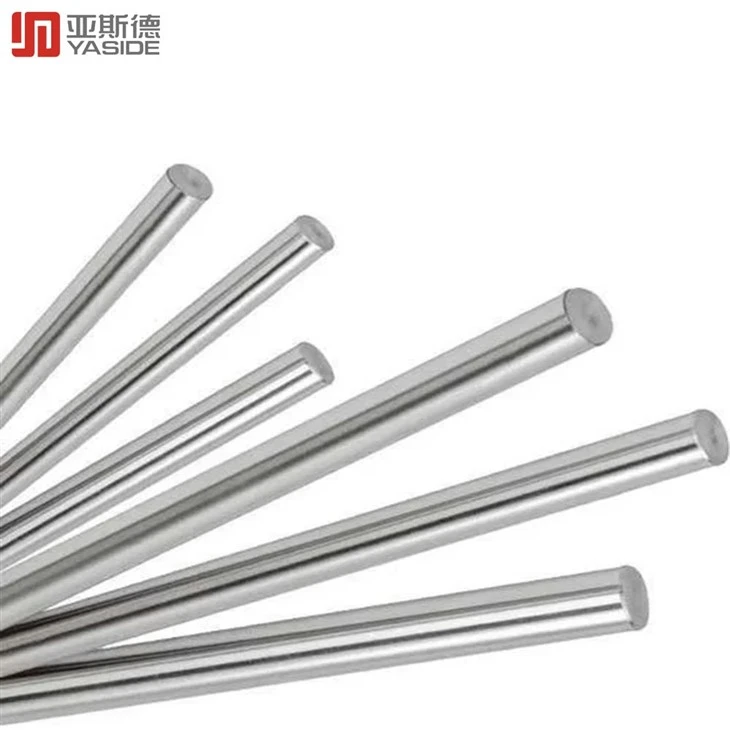

Nickel plating also gives parts a nice, shiny appearance. It can enhance the aesthetic appeal of the parts, which is important for applications where appearance matters, such as consumer products or decorative items.
So, how does the nickel plating process work? Well, it typically involves a few steps. First, the part needs to be thoroughly cleaned to remove any dirt, oil, or other contaminants. This is crucial because any impurities on the surface can affect the adhesion of the nickel layer.
Next, the part is immersed in an electroplating bath that contains a solution of nickel salts. An electric current is applied, which causes the nickel ions in the solution to deposit onto the surface of the part. The thickness of the nickel layer can be controlled by adjusting the time and current during the electroplating process.
After the plating is done, the part is rinsed and dried. Sometimes, additional finishing steps like polishing or passivation may be required to achieve the desired appearance and performance.
However, there are a few things to keep in mind when considering nickel plating for CNC metal machining parts. Not all metals are suitable for nickel plating. For example, some metals may react with the plating solution or have poor adhesion with the nickel layer. Before plating, it's important to test the compatibility of the metal with the plating process.
Also, the cost of nickel plating can vary depending on factors like the size and complexity of the part, the thickness of the nickel layer, and the quantity of parts being plated. It's important to factor in these costs when deciding whether nickel plating is the right option for your project.
In addition, nickel plating can have some environmental impacts. The electroplating process uses chemicals and generates waste, which need to be properly managed to comply with environmental regulations. As a responsible supplier, we make sure to follow all the necessary environmental guidelines to minimize our impact.
In conclusion, nickel plating is a great option for many CNC metal machining parts. It offers corrosion resistance, improved hardness, and a nice appearance. But it's important to consider the suitability of the metal, the cost, and the environmental implications before making a decision.
If you're interested in getting CNC metal machining parts with nickel plating, or if you have any other questions about our products and services, don't hesitate to reach out. We're here to help you find the best solutions for your needs. Whether you need a small batch of custom parts or a large-scale production run, we've got the expertise and capabilities to deliver high-quality products.
Let's start a conversation and see how we can work together to make your project a success. Looking forward to hearing from you!
References:
- "Electroplating: Principles and Practices" by Lowenheim, F. A.
- "Surface Finishing of Metals" by Mallory, G. O. and Hajdu, J. B.


