

Transporting a CNC motor shaft safely is crucial for maintaining its quality and functionality, especially for a supplier like me who deals with these precision components on a regular basis. In this blog, I'll share some insights and best practices on how to ensure the safe transportation of CNC motor shafts.
Understanding the CNC Motor Shaft
Before delving into transportation methods, it's essential to understand the nature of a CNC motor shaft. These shafts are precision-engineered components that play a vital role in the operation of CNC machines. They are often made from high - quality materials such as steel or stainless steel and are machined to very tight tolerances. Any damage during transportation, such as scratches, dents, or misalignments, can significantly affect their performance and render them unusable.
Pre - Transportation Preparation
Inspection
The first step in safe transportation is a thorough inspection of the CNC motor shaft. Check for any visible defects, such as cracks, burrs, or surface imperfections. Measure the shaft's dimensions to ensure they meet the specified tolerances. This inspection not only helps in identifying pre - existing issues but also provides a baseline in case any damage occurs during transit.
Cleaning
Clean the motor shaft to remove any machining residues, oils, or debris. A clean shaft is less likely to attract contaminants during transportation, which could cause corrosion or other forms of damage. Use appropriate cleaning agents and methods based on the shaft's material. For example, a stainless - steel shaft may be cleaned with a mild detergent and a soft cloth, followed by a rinse with clean water and thorough drying.
Protection
After cleaning, apply a protective coating to the shaft. This can be a thin layer of rust - preventive oil or a specialized anti - corrosion spray. The coating acts as a barrier against moisture and oxygen, preventing rust and corrosion during transit. Additionally, use protective caps or plugs on the ends of the shaft to prevent dirt and debris from entering the hollow sections, if any.
Packaging Options
Custom - Made Boxes
Invest in custom - made boxes designed specifically for CNC motor shafts. These boxes should be made from high - quality materials, such as heavy - duty cardboard or wooden crates. The interior of the box should be lined with shock - absorbing materials like foam or bubble wrap. The box should be sized appropriately to fit the shaft snugly, minimizing movement during transit.

Palletizing
For larger quantities of motor shafts, palletizing is a practical option. Place the shafts on a pallet in an organized manner, ensuring they are stable and secure. Use straps or shrink - wrap to hold the shafts in place on the pallet. Palletizing makes it easier to handle the shafts during loading and unloading and provides better stability during transportation.
Handling During Loading and Unloading
Use Proper Equipment
When loading and unloading CNC motor shafts, use appropriate handling equipment. Forklifts, cranes, or hoists should be used to lift and move the shafts safely. Ensure that the equipment is in good working condition and that the operators are trained to handle the shafts properly.
Avoid Rough Handling
Rough handling can cause significant damage to the motor shafts. During loading and unloading, avoid dropping, throwing, or hitting the shafts. Use gentle lifting and lowering techniques to prevent any impact or shock to the shafts.
Choosing the Right Transportation Method
Road Transport
Road transport is a common option for transporting CNC motor shafts, especially for local or regional deliveries. When choosing a road carrier, select a company with a good reputation for handling fragile and high - value goods. Ensure that the truck is equipped with proper suspension and shock - absorbing features to minimize vibrations during transit.
Air Transport
For long - distance or international deliveries, air transport may be a suitable option. Air freight is generally faster and offers better protection against environmental factors such as moisture and temperature variations. However, it is more expensive than road transport. When shipping by air, make sure the carrier has experience in handling precision components and follows proper handling procedures.
Sea Transport
If the delivery is to a distant location and time is not a critical factor, sea transport can be considered. Sea freight is cost - effective for large volumes of motor shafts. However, it has a longer transit time, and the shafts may be exposed to harsh marine environments. Use sealed containers and ensure proper ventilation to prevent condensation and corrosion.
Monitoring During Transit
Tracking
Use a tracking system to monitor the movement of the CNC motor shafts during transit. This allows you to keep track of the shipment's location and estimated time of arrival. In case of any delays or issues, you can take proactive measures to ensure the safe delivery of the shafts.
Temperature and Humidity Monitoring
For motor shafts that are sensitive to temperature and humidity, use sensors to monitor these environmental conditions during transit. Extreme temperatures or high humidity can cause damage to the shafts, such as warping or corrosion. If the sensors detect any unfavorable conditions, you can take corrective actions, such as adjusting the shipping route or providing additional protection.
Insurance
Obtain insurance coverage for the CNC motor shafts during transit. In the event of any damage, loss, or theft, insurance provides financial protection. Make sure to choose an insurance policy that covers the full value of the shafts and includes coverage for all potential risks associated with the chosen transportation method.
Conclusion
Transporting a CNC motor shaft safely requires careful planning, proper preparation, and the use of appropriate packaging and transportation methods. By following the steps outlined in this blog, you can minimize the risk of damage to the shafts and ensure that they arrive at their destination in perfect condition.
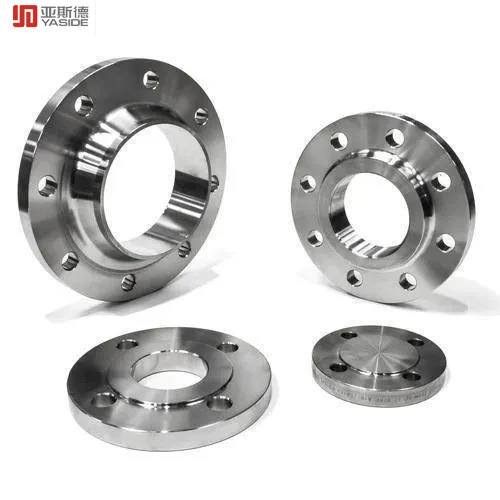
As a CNC Motor Shaft supplier, I am committed to providing high - quality products and ensuring their safe delivery. If you are interested in Customized CNC Machining Stainless Steel Flange, Powder Falling Lower Frame Aluminum Parts, or CNC Brass Electrical Component Parts, or if you have any questions about our CNC motor shafts or transportation services, please feel free to contact me for procurement and further discussions.
References
- "Precision Machining Handbook" - A comprehensive guide on precision machining processes and component handling.
- "Transportation and Logistics Best Practices" - A collection of industry - standard practices for the safe and efficient transportation of goods.
- "Corrosion Prevention in Metal Components" - A resource on preventing corrosion in metal parts during storage and transportation.


