

Hey there! As a supplier of CNC Machining Flanges, I've been in the game for quite some time, and I've seen firsthand how different factors can impact the quality of our products. One of the most crucial factors that often gets overlooked is the cutting speed. So, let's dive into what effects cutting speed can have on the quality of CNC machined flanges.
Surface Finish
The first thing that comes to mind when we talk about the quality of a machined flange is its surface finish. A smooth surface finish is not only aesthetically pleasing but also crucial for the functionality of the flange. When it comes to cutting speed, it plays a significant role in determining the surface finish of the flange.
If the cutting speed is too high, the tool can generate excessive heat, which can cause the material to melt or burn. This results in a rough surface finish with visible tool marks and even discoloration. On the other hand, if the cutting speed is too low, the tool may not be able to cut through the material efficiently, leading to a poor surface finish as well. The ideal cutting speed will depend on the material of the flange, the type of tool being used, and the specific machining operation.
For example, when machining a steel flange, a moderate cutting speed is usually recommended to achieve a good surface finish. This allows the tool to cut through the material cleanly without generating too much heat. However, if you're machining a softer material like aluminum, you can often increase the cutting speed slightly to improve the efficiency of the machining process without sacrificing the surface finish.
Dimensional Accuracy
Another critical aspect of the quality of CNC machined flanges is dimensional accuracy. Flanges need to be machined to precise specifications to ensure a proper fit and function in the intended application. Cutting speed can have a significant impact on the dimensional accuracy of the flange.
When the cutting speed is too high, the tool can experience more wear and tear, which can lead to dimensional inaccuracies. The tool may also deflect or vibrate, causing the cut to deviate from the intended path. This can result in flanges that are out of tolerance, which can lead to problems during assembly and use.
Conversely, if the cutting speed is too low, the machining process can take longer, increasing the chances of errors due to factors like thermal expansion or tool deflection. Additionally, a low cutting speed may not provide enough force to cut through the material cleanly, resulting in rough edges and uneven surfaces that can affect the dimensional accuracy of the flange.
To ensure dimensional accuracy, it's essential to select the appropriate cutting speed based on the material, tool, and machining operation. Regular tool maintenance and calibration are also crucial to minimize tool wear and ensure consistent cutting performance.
Tool Life
Tool life is another important consideration when it comes to the quality of CNC machined flanges. The cutting speed can have a significant impact on how long a tool lasts before it needs to be replaced.
A high cutting speed can generate more heat and friction, which can accelerate tool wear. This means that the tool will need to be replaced more frequently, increasing the cost of production. Additionally, worn tools can produce a poor surface finish and dimensional inaccuracies, as mentioned earlier.
On the other hand, a low cutting speed may not cause as much tool wear, but it can also reduce the efficiency of the machining process. This can lead to longer production times and higher costs in the long run.
Finding the right balance between cutting speed and tool life is crucial. By selecting the optimal cutting speed, you can extend the life of your tools, reduce tooling costs, and improve the overall quality of your CNC machined flanges.
Material Integrity
The cutting speed can also affect the integrity of the material being machined. When the cutting speed is too high, the excessive heat generated can cause changes in the material's microstructure, leading to reduced strength and hardness. This can compromise the performance and durability of the flange.
For example, in some high-strength materials, a high cutting speed can cause the formation of microcracks or other defects, which can weaken the material and make it more prone to failure. On the other hand, a low cutting speed may not cause these issues, but it can also result in a less efficient machining process.
To maintain the material integrity of the flanges, it's important to select a cutting speed that minimizes heat generation while still allowing for efficient cutting. This may require some experimentation and optimization based on the specific material and machining conditions.
Examples of Related Products
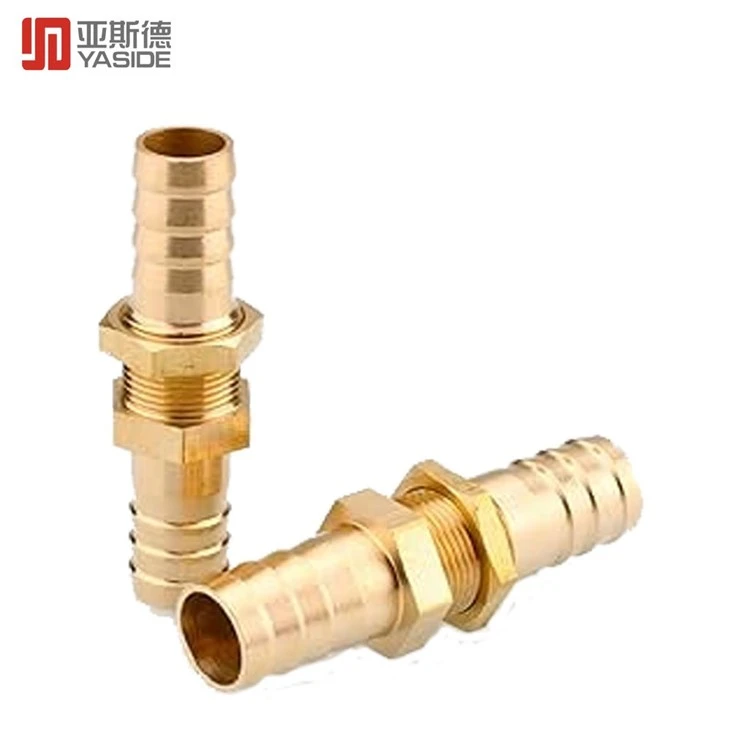
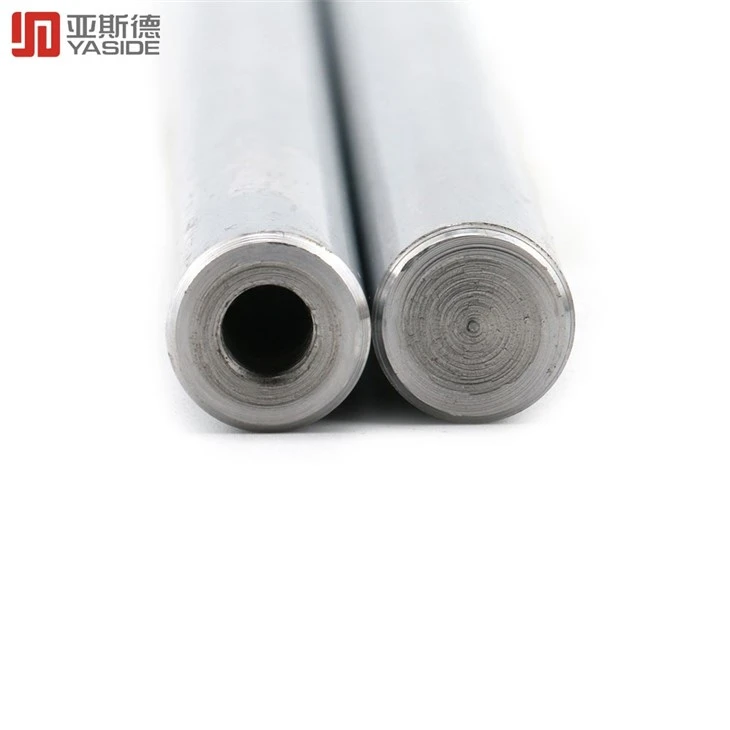
If you're interested in other CNC machining products, we also offer a wide range of options. Check out our CNC Machining Brass Bulkhead Pipe Fitting, CNC Centrifugal Pump Open Impeller Of Stainless Steel, and CNC Linear Motion Shaft Machining Parts. These products are also manufactured with high precision and quality, just like our CNC machined flanges.
Conclusion
In conclusion, the cutting speed has a profound impact on the quality of CNC machined flanges. It affects the surface finish, dimensional accuracy, tool life, and material integrity of the flanges. As a supplier, we understand the importance of finding the right cutting speed for each job to ensure the highest quality products.
If you're in the market for high-quality CNC machined flanges or any of our other products, we'd love to hear from you. We're always happy to discuss your specific requirements and provide you with a quote. Contact us today to start the conversation and see how we can meet your machining needs.
References
- Smith, J. (2018). CNC Machining Handbook. Industrial Press.
- Brown, A. (2020). Cutting Tools and Machining Processes. McGraw-Hill.
- Johnson, R. (2019). Material Science for Machining. Wiley.


